Fear Of Flying: Why It Happens And How To Move Past It
In partnership with Dr Potter Psychology
If the thought of flying makes you hesitate, delay plans or avoid booking altogether, you’re not alone.
Fear of flying is more common than many people realise, and it doesn’t always look dramatic. For some, it’s a quiet sense of unease in the background. For others, it can be enough to shape decisions and limit where life takes them.
We’ve partnered with Clinical Psychologist Dr Kristy Potter to explore why fear of flying can feel so powerful, with steps you can take if it’s starting to hold you back.
Dr Potter is offering readers an exclusive 20% saving on her Fear of Flying course. Simply enter TheList20 at checkout to claim your discount.
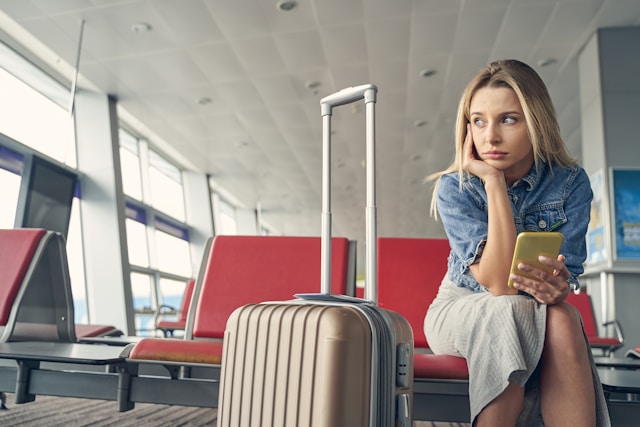
When Flying Feels Anything But Routine
Living on an island has many advantages. Beautiful coastlines, a strong sense of community, and the reassuring feeling that the sea is never very far away. But it also comes with one unavoidable reality: if you want to go anywhere, you often have to get on a plane.
For many people, flying becomes a routine part of life. Trips for work, visiting family, weekends away or holidays further afield all start the same way: a departure lounge, a boarding call, and a short journey across the water.
And yet, despite how normal flying is, anxiety about it is remarkably common.
Why Fear Of Flying Can Feel So Strong
As a clinical psychologist specialising in fear of flying, I see it often. People who manage demanding careers, busy households and complicated lives without difficulty suddenly find themselves gripped by a very specific worry the moment a flight appears in the calendar.
Sometimes the anxiety begins quietly while booking a trip. There’s a small hesitation before clicking confirm, or a moment where the mind wonders whether the journey is really worth it. Other times it shows up closer to the flight itself. In the days leading up to departure, the imagination begins to rehearse the experience ahead: the feeling of take-off, the bumps of turbulence, the awareness of being thousands of feet above the ground with no obvious way to influence what happens next.
For islanders, there can be a few extra details that the mind latches onto. Fog drifting across the runway. Windy landings. Delays that turn the airport café into a temporary gathering place. Most of the time, these are simply part of travel. But when anxiety is already present, they can easily become fuel for the imagination.
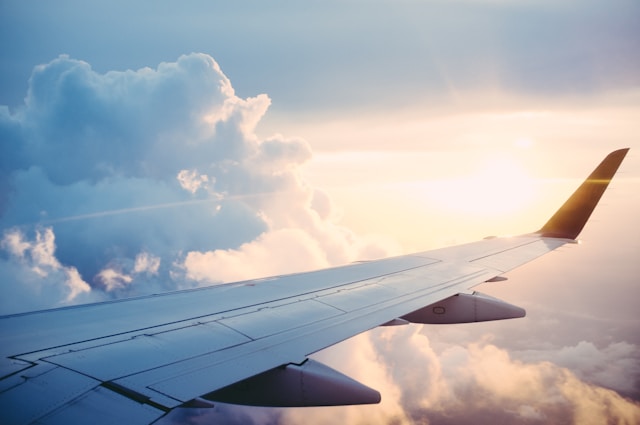
What Anxiety Is Really Responding To
One of the tricky things about anxiety is that it presents these thoughts as if they are useful warnings. It gives the impression that the brain is protecting us from danger.
In reality, anxiety is often responding less to genuine risk and more to uncertainty and lack of control. Flying contains plenty of both: unfamiliar sounds, unusual sensations, and a situation where someone else is in charge.
From the brain’s perspective, that combination can activate a survival system designed to keep us safe in unpredictable environments.
Why Reassurance Alone Doesn’t Work
The problem is that this system responds far more to sensation and imagination than to statistics. Commercial aviation is one of the safest forms of transport in the world, but the brain doesn’t tend to calm down when presented with data. It reacts to the experience itself.
A bump in the air can feel dramatic even when it’s routine. Changes in engine noise can seem alarming if you don’t know what’s happening. Because of this, reassurance alone rarely solves fear of flying.
Most anxious flyers already know, logically, that flying is safe. The difficulty lies in the feeling.
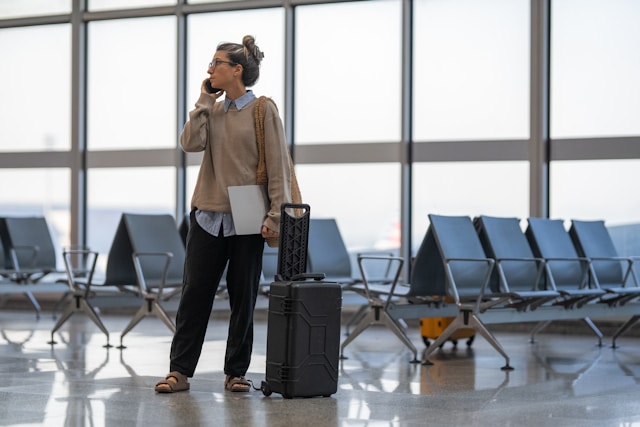
Why Avoidance Makes It Worse
When that feeling shows up, the mind offers a very convincing solution: avoid the situation altogether. Sometimes that means postponing the trip. Sometimes it means taking a longer route. Sometimes it means cancelling plans entirely, with a feeling of relief in the moment, even if the decision later comes with disappointment.
Avoidance works in the short term. When the flight disappears, the anxiety disappears too. But the brain learns from this. Each time we escape something because it made us anxious, the mind updates its internal rulebook: that must have been dangerous.
Over time, the fear can become stronger rather than weaker.
A Different Way Forward
What often helps is a different way of approaching the problem. Instead of waiting for anxiety to disappear before travelling, it becomes possible to see anxiety as something that may come along for the journey. The goal shifts from eliminating the feeling to changing the relationship with it.
When anxious thoughts show up - this doesn’t feel safe, what if something happens - they can be recognised for what they are: predictions from an anxious mind, rather than reliable signals of danger.
The physical sensations of anxiety, such as a racing heart or tight shoulders, can be allowed to come and go without needing to be urgently fixed.
Gradually, the focus shifts back to something more important than the flight itself: why the trip matters.
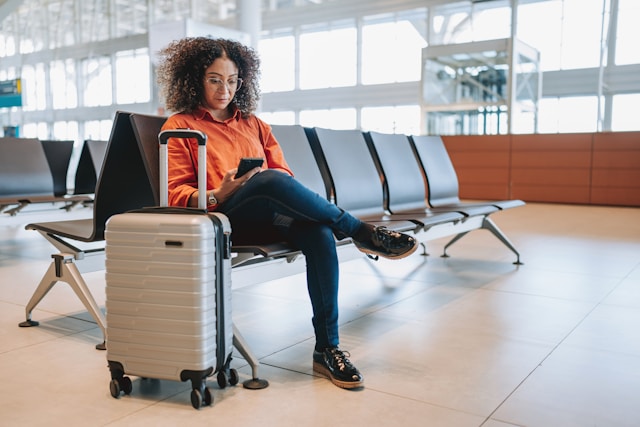
What Matters More Than The Flight
For many people, flying is simply the gateway to the rest of life beyond the shoreline. Visiting people you love, exploring new places, taking opportunities that exist beyond the horizon.
When those motivations come back into focus, the flight becomes what it really is: just one small part of a much bigger journey.
Taking The First Step
Travel will never be completely predictable. There will always be the occasional delay, a windy landing, or an announcement about holding patterns.
But in most cases, the aircraft still takes off.
And that’s often how fear of flying begins to change. Not through perfect confidence, but through small decisions to keep moving toward the things that matter.
Anxiety may come along for the ride, but it no longer gets to decide where life goes next.

A Structured Approach to Overcome Fear of Flying
For those who want more structured support, Dr Kristy Potter has created a self-paced Fear of Flying course designed to help you change your relationship with anxiety and feel more confident when you travel - with an exclusive 20% saving. Simply enter TheList20 at checkout to claim your discount.
Created in collaboration with experienced pilot Captain Pete Martin, the course combines practical psychological tools with clear, real-world explanations of how flying works.
What’s included:
-
7 structured modules (4.5+ hours of video content)
-
Practical tools to change how you respond to anxiety
-
Clear explanations of turbulence, safety and aircraft systems
-
Guided audio exercises to use during a flight
-
Downloadable worksheets and planning tools, covering the night before, departures, take off, turbulence, landing and reflection
-
Lifetime access, completed at your own pace
Rather than trying to eliminate fear, the course focuses on helping you respond differently so that anxiety doesn’t get to decide where you go, what you do, or who you see.
For those looking for a gentle starting point, Dr Potter also offers a free Fear of Flying Toolkit with practical insights and simple strategies designed to support more confident travel.
Dr Potter is offering readers an exclusive 20% saving on her Fear of Flying course. Simply enter TheList20 at checkout to claim your discount.

Meet Dr Kristy Potter
Kristy is a Clinical Psychologist based in St Peter Port, Guernsey. She provides evidence-based psychological therapy to clients across the Channel Islands and the UK.
She founded Dr Potter Psychology with the aim of offering high-quality, research-informed therapy in a warm and collaborative environment.
Individual therapy is delivered online and tailored to adults experiencing anxiety, trauma, stress, or adjustment to physical health conditions. Her clinical work is grounded in psychological formulation and Acceptance and Commitment Therapy (ACT), with a focus on building psychological flexibility and meaningful behavioural change.

Get content on wellbeing and local life straight to your inbox
We think you'll like these articles too...


LIVE LIFE WELL. LOVE LOCAL. LOVE THE LIST.
LIVE LIFE WELL.
LOVE LOCAL.
LOVE THE LIST.
Get content on wellbeing and local life straight to your inbox
© 2026 The List Limited. All Rights Reserved.