7 Ways To Support Your Immune System This Winter
Guest post from Nutritionist and Hormone Expert Sarah Gale
The winter months can feel quietly draining. The days are still short, the weather doesn’t encourage us outdoors and many people find themselves running on low battery. Add in disrupted sleep, colder temperatures, indoor heating, less fresh air and the mental load of trying to get back into the swing of things, it’s no surprise our immunity can take a hit at this time of year.
The good news is that supporting your immune system doesn’t require drastic changes or expensive supplements. Small, intentional habits can make a meaningful difference. Here are some simple, evidence-based ways to support your immune system this winter.

1. Focus on Adding In, Not Restricting
The start of the year often comes with a strong urge to start again by cutting things out after a time of indulgence. While this can feel tempting, restriction is rarely sustainable and can place extra stress on the body. Instead, focus on crowding in goodness.
Fruit and vegetables provide vitamins, minerals, antioxidants and fibre, all essential for immune health. Seasonal choices can make this easier. In winter, think root vegetables such as carrots, swede and turnips, alongside leafy greens like kale and spinach and colourful options such as bell peppers. These foods also help support beneficial gut bacteria, which play an important role in immune regulation.
2. Prioritise Sleep (even if life feels busy)
Sleep is one of the most underestimated immune tools we have.
During deep sleep, the body produces immune signalling proteins that help fight infection and regulate inflammation. Poor sleep even for a few nights can suppress this response.
Aim for consistent bedtimes, reduced screen exposure in the evening and slightly earlier nights during darker months. Think of sleep as immune maintenance, not a luxury or something to sit at the bottom of your to-do list.

3. Support Your Gut
Around 70% of your immune system is located in your gut. Frequent winter infections, bloating or sluggish digestion can all be signs that the gut-immune connection needs support. Focus on adding in a variety of colourful vegetables, fibre-rich foods such as oats, seeds and legumes (if tolerated) and fermented foods like yoghurt, kefir or sauerkraut. These foods feed beneficial gut bacteria which help regulate immune responses and support the body in distinguishing between harmless cells and true invaders.
4. Manage Stress in Small, Realistic Ways
Chronic stress suppresses immune function by increasing cortisol which directly affects how immune cells respond. This doesn’t mean removing all stress from your life (because that’s impossible) but it does mean building in small daily pauses. Short walks outdoors, gentle breathing exercises and easing the pressure to do everything perfectly at the start of the year can all help. Your immune system responds best when your nervous system feels safe.
5. Take Vitamin D
Vitamin D plays a crucial role in immune function, helping immune cells communicate effectively and respond appropriately to infections.
In the UK, vitamin D deficiency is extremely common during winter due to reduced sunlight exposure. The NHS recommends that everyone considers a daily supplement of 10 micrograms (400 IU) during October to March.
Some people may require higher doses, which is why testing vitamin D levels (if possible) can be helpful to ensure you’re supplementing appropriately.
6. Don’t Underestimate Hydration
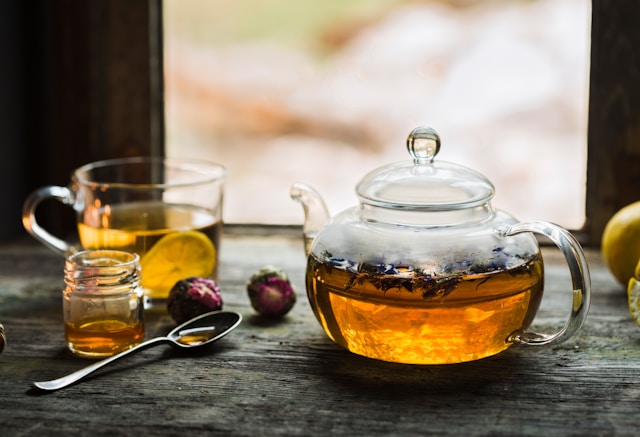
Indoor heating, cold air and higher caffeine intake to cope with the long winter days can quietly dehydrate us. Adequate hydration supports lymphatic flow, nutrient transport and the health of mucosal barriers, your body’s first line of immune defence. Warm drinks, soups and herbal teas all count towards hydration.
7. Sprinkle in Immune-Supportive Nutrients
Certain nutrients and foods can offer gentle immune support when included regularly in the diet.
During infections, the body’s vitamin C stores are rapidly depleted due to increased metabolic demand and inflammation. Citrus fruits, berries, kiwi and sweet peppers are all excellent sources of vitamin C, alongside green vegetables such as broccoli, Brussels sprouts and kale.
Colourful yellow, orange and dark green vegetables also provide beta-carotene, which the body can convert into vitamin A, a nutrient that supports the skin and mucous membranes, our first physical barriers against infection.
Zinc is thought to be useful for preventing catching the common cold. You can find it in foods such as pumpkin seeds, lentils, chickpeas, nuts, oats and grass-fed red meat. And garlic contains compounds that can support immune cell activity and is very easy to use day-to-day in cooking.
Winter is a time for creating steadiness in our routines and rebuilding our nutrient reserves (not punishment or extremes!). We are still in the depths of winter, so it’s completely normal to feel as though you’re in hibernation mode. Try to honour that. Be kind to your body and work with the season by slowing down and nourishing yourself.
Meet Sarah...

Sarah Gale is a Registered Nutritional Therapist, Clinical Nutritionist DipION mBANT and hormone expert and helps women who just can’t lose weight break free of the diet cycle, rebalance their hormones and feel confident in their own skin again.
After a lifetime a hating her body and chronic yo-yo dieting, Sarah realised that yo-yo diets didn’t have the answers and by balancing her hormones, fixing her metabolism and working on her mindset she could finally lose the weight and get her self-confidence back.
You can find out more about Sarah and the services she offers over at Sarah Gale Nutrition.

Get content on wellbeing and local life straight to your inbox
We think you'll like these articles too...



LIVE LIFE WELL. LOVE LOCAL. LOVE THE LIST.
LIVE LIFE WELL.
LOVE LOCAL.
LOVE THE LIST.
Get content on wellbeing and local life straight to your inbox
© 2026 The List Limited. All Rights Reserved.