Listed: Learning To Trust My Body Again with Tracy Hubert
When life throws you a curveball, it’s often what you do next that defines you. For Tracy Hubert, former PE teacher, personal trainer and founder of WildGlō, that moment came last year with a diagnosis she never expected - and obviously never wanted. After learning that you can't just ignore an early cancer diagnosis, she made the brave decision to have a double mastectomy and then began the road to recovery the only way she knew how - with a little positivity and a lot of moving her body.
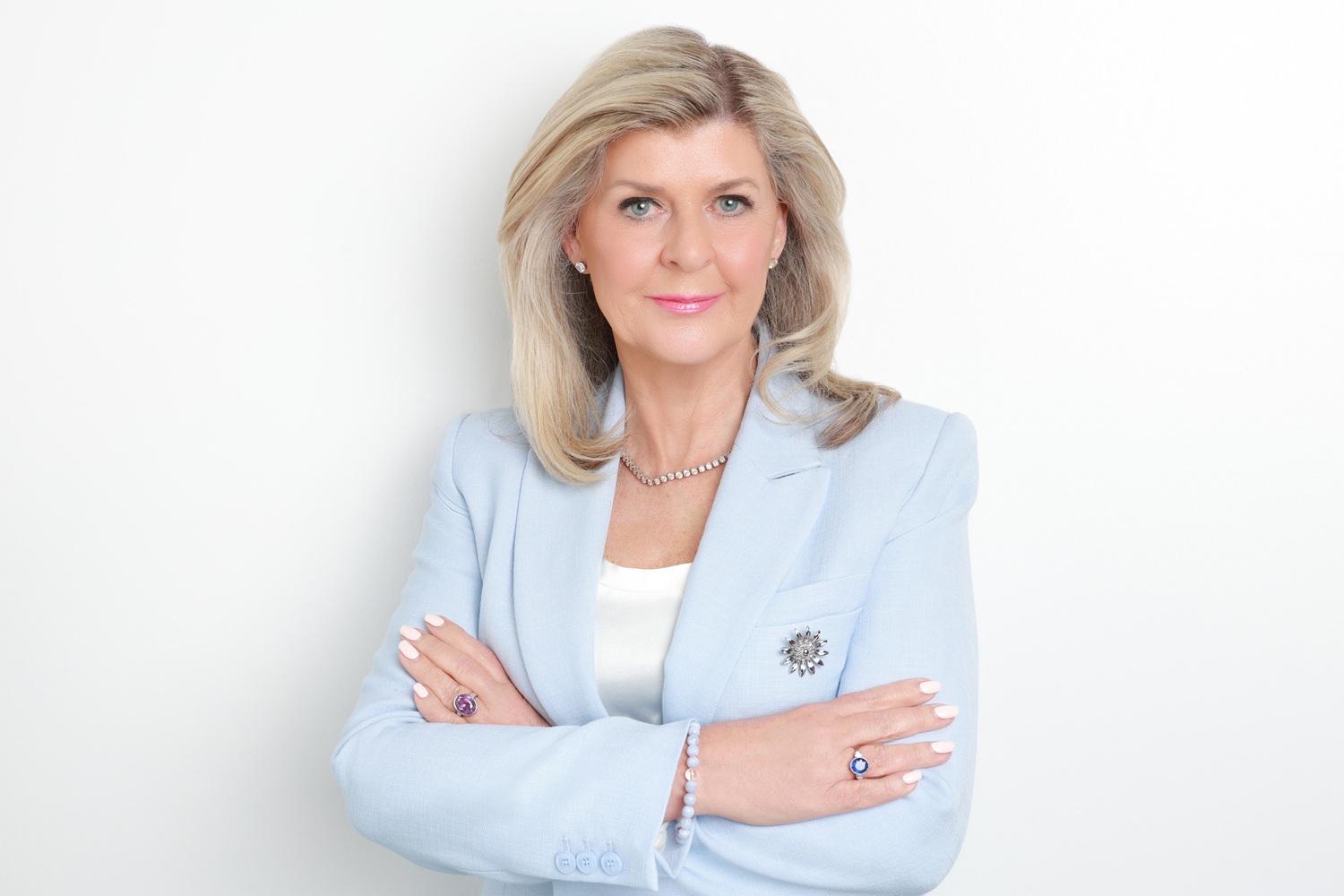
Tracy Hubert is Listed.

Who I Am.
I’m not great at sitting still. With 20 years as a PE teacher under my belt, that probably comes as no surprise. These days, I wear a few hats: I’m stepping into a new career as an Additional Learning Needs Manager at The Guernsey Institute, while continuing my personal training work as the founder of WildGlō - bringing health and wellbeing expertise straight to your door.
I’m also the person who received a Stage 0 cancer (DCIS) diagnosis in 2024, which I could’ve done without.
Movement has always been my medicine. I move daily - not out of pressure, but out of passion. Whether I’m in the gym with my girls, smashing balls on a padel court, sea swimming, or running a spin class filled with grit, and basslines, or helping everyone from young people to older adults feel stronger in themselves, I show up. Even when life gets messy - and it did - I keep showing up.
(Editor’s note: DCIS, or ductal carcinoma in situ, is an early, non-invasive form of breast cancer. It means abnormal cells are contained within the milk ducts and haven’t spread, but treatment is often recommended to prevent progression. Every journey is unique. Anyone facing a diagnosis should always seek advice and support from their own medical team.)

The Diagnosis and The Decision.
It all started like a weird dream - one that slowly took hold of me. When I got home, I remember crying my eyes out because I had heard the word cancer. The kind of cry that comes from somewhere deep, somewhere primal (I was alone in my house and I needed to be).
And then came the pause - the stopping to think, to rationalise, to hold it at arm’s length.
At first, I did what many do: I pushed it away. Denial was at the helm. I got angry - not at the cancer itself, but at the doctors who wanted to treat me. I didn’t want fixing. I felt normal. In fact, I felt the best I ever had. So I carried on living as if nothing was wrong and skipped past Biopsy One (the doctors weren’t overly keen on that approach). Life rolled on.
But then came February and Biopsy Two. That was the moment I knew I had to stop, look and listen. This wasn’t going away. As much as I tried for five months to out-run, out-lift, or out-think it, I couldn’t ignore it any longer.
I hadn’t told many people. Just my nearest and dearest. And guess what? Every single one of them said they’d go with whatever I decided. At least to my face - maybe they were holding back their own fears, maybe they were shielding me, or maybe they just trusted that I knew myself better than anyone.
Either way, the weight of the decision sat firmly in my hands. And it was the biggest decision of my life.
At 44 years old, I was choosing to have both breasts removed. Technically, I only needed a single mastectomy on the right side. But that didn’t sit right. I’m a swimming costume, fitness-lycra kind of girl, so I couldn’t imagine feeling comfortable or confident with a lopsided chest.
So I chose a double mastectomy. It was clear to me. No one else could make the call. The time had come. I had to act.

Recovery in Motion.
I woke up in the hospital bed on Day One and I knew I had this. I wanted to get up and walk - so I did. I strolled down the corridor. That was how recovery was going to be for me: active, but always listening to my body’s murmurs. After all, the body is always in charge.
On Day Two, I walked my favourite route along Havelet Wall. And from there, it kept building. Before the end of the first three weeks, I walked a leg of the Saffrey Walk. Learning to trust my body again.
When you’re healing - and really listening to your body - you take the small wins. A bath towards the end of Week One. Mowing the lawn in Week Two. Hanging up the washing, hoovering, dusting, cleaning by Week Three. Gently does it. I never stopped believing I could beat this. I kept my body and mind strong in the lead-up to the op, and even more so after. It’s amazing what you can do with a little “I can” push.
By Week Five, I was swimming with fins and floating in the sea again - and there’s nothing sweeter. I was able to put pressure on my arms. I could stand up on a spin bike and ride hard. I was able to go to Bootcamp and hit the gym with my girls. Yes, I used alternatives when needed - but I was there, still showing up.
Moving again can be scary. Your chest feels so tight after the operation that you think you might split the stitches. I get it. I’ve been there. You have to do what you can, and move when you can. For me, I knew that sitting on the sofa, feeling sorry for myself and hiding away wouldn’t help me, mentally or physically. Everyone tries to protect you: “Take it easy,” “Don’t do too much.” But only you can decide what’s right for your body.
Movement is what has brought me to where I am today, and I truly don’t doubt its power.

Finding Strength in Moving Forward
“Surely it’s going to hit mentally - are you ready for that?” That’s one of the many comments I heard from people in the first week or so after the operation. But here’s the truth: I love the new me.
I feel strong. I feel confident. And I feel that my life is waiting for me - just with a slightly different twist. I’m still reflecting, so I don’t yet know exactly what that twist looks like. But one thing I do know? I’ll live a little better because of it.
So if you’re reading this: Pause. Take a breath. Smile. Move your body, even just a little. That small step might just be the start of something amazing. And if it’s confidence you’re lacking? Come and find me at WildGlō where I support your wellbeing, your way.
If you want to follow more of my story, you’ll find the real, honest, sometimes sweary version on my blog. No filters - just truth. Because sometimes strength isn’t about how much you can lift. It’s about how much you can face, and still keep showing up.

Get content on wellbeing and local life straight to your inbox
We think you'll like these articles too...


LIVE LIFE WELL. LOVE LOCAL. LOVE THE LIST.
LIVE LIFE WELL.
LOVE LOCAL.
LOVE THE LIST.
Get content on wellbeing and local life straight to your inbox
© 2026 The List Limited. All Rights Reserved.