The Many Benefits of Beach Cleaning (and How You Can Get Involved)
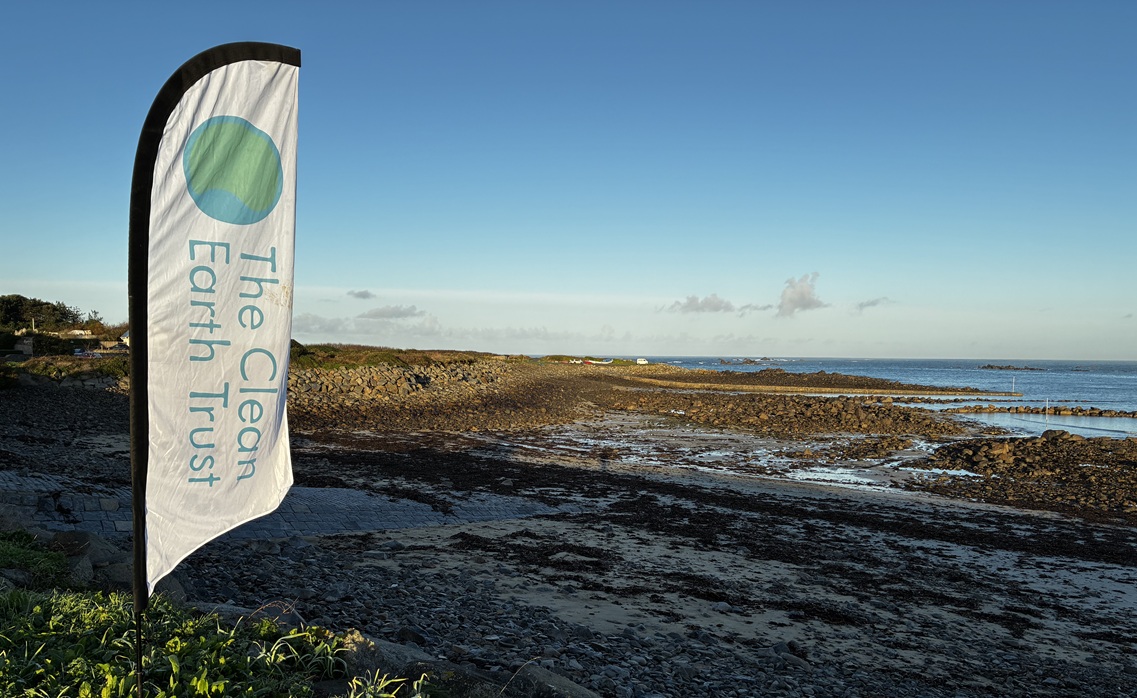
Guest post from The Clean Earth Trust
For many of us, the beach is a peaceful place to slow down and switch off, offering a sense of calm and grounding whatever the time of year. However now, more than ever, you might also notice that there’s litter lying around. Whether it’s hidden in the seaweed or in plain sight on the sand, it’s unsightly and it's polluting our beautiful natural spaces.

How Does Beach Cleaning Help the Environment?
We all have a responsibility to do something about litter pollution, both along the coast and inland. But living on an island, we are especially aware of the impact litter has on our beaches. It is a growing problem, with an estimated 19 to 23 million tonnes of plastic ending up in our aquatic ecosystems globally every year.
The good news is that initiatives like The Clean Earth Trust (CET) Beach Clean Projects play a vital role in tackling this issue. Removing waste from the beach helps prevent litter from being washed back into the sea. Larger plastic items break down over time into microplastics that are almost impossible to remove, and beach cleans stop this process in its tracks.
The environmental benefits are manyfold, not least for wildlife. Cleaner beaches encourage the return of insects, birds and marine species that rely on unpolluted shorelines to feed, nest and migrate. Litter that makes its way back into the sea can be devastating, causing entanglement and ingestion for fish, larger mammals and bird life.
Beach cleans also provide valuable environmental data by recording what's been collected. This information helps identify pollution sources and supports wider environmental action and policy change. It also helps to remove sharp glass or hazardous items that could otherwise cause injury, making beaches safer for both wildlife and people.

How Does Beach Cleaning Help Our Wellbeing?
We all know that getting fresh air and being exposed to the elements can boost our wellbeing, but during winter it can be hard to leave the comfort of a warm home. So having a purpose or a goal - such as beach cleaning - can help provide the motivation we need to get outdoors. Here at the CET, we’ve spoken to many people during our beach cleans who find the simple act of searching for litter and picking it up both rewarding and engaging.
Beach cleaning goes beyond simply picking litter off the shoreline. It makes you more aware of your surroundings. Looking into the distance and spotting a flash of colour - is it seaweed or plastic? A beach walk becomes a treasure hunt and can feel almost meditative, slowly scouring the coast in search of hidden items.
It also sparks curiosity. What is this item? Where did it come from? By engaging your interest, you can calm your mind and focus on the activity. So when you go beach cleaning, you’re not only giving back to the environment, you’re also supporting your own mental health.
How Can You Get Involved?
Guernsey has an amazing beach cleaning community that supports one another in their beach cleaning endeavours. Finding others who are passionate about the cause creates a community that not only cares for the environment but also for each other.
At The Clean Earth Trust, we run monthly wellbeing beach cleans in association with Guernsey Mind and The Healthcare Group. They are usually held on the third Thursday of each month, bringing together a variety of people and creating a strong sense of community. Everyone is invested in the same outcome: to clean and survey the beach. It is wonderful to see people become engaged in sorting their litter and counting what they have found.
Alongside these wellbeing beach cleans, we run bi-weekly weekend beach cleans where anyone can come along and take part. Some people choose to work in groups, while others go solo and enjoy the solitude of the beach. All of the items we survey at each beach clean are catalogued and we produce a Marine Litter Report every year, showcasing what we are finding on our shorelines. So by participating in a beach clean, you are also contributing to a citizen science project.
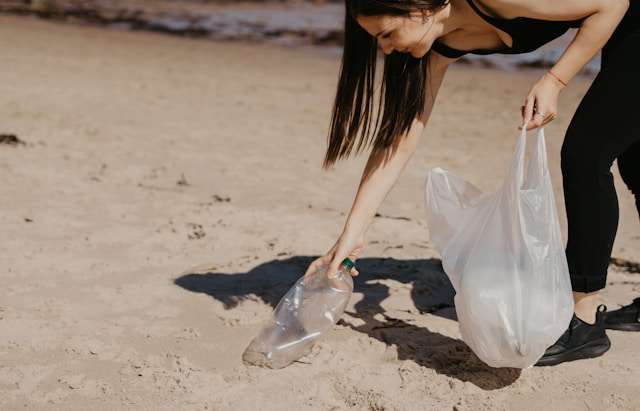
You can also do your own beach clean. Simply choose a beach (preferably at low tide) and start walking along the tide line. You’ll soon find small fragments of plastic looking back at you. Take a bag and a pair of gloves and pick up each fragment you see. Before you know it, you will have a bag, or more, of litter - from tins and plastic to wood and paper. (You can also fill out our online survey, and what you find will go into our annual Marine Litter Report).
A quick note: if you find anything that looks dangerous or you don’t feel comfortable picking it up, our advice is to leave it, take note of where you found it, and let someone know who may be able to retrieve it, such as The Clean Earth Trust.
If you’re ready to start beach cleaning, find out more about our upcoming events here.

Get content on wellbeing and local life straight to your inbox
We think you'll like these articles too...



LIVE LIFE WELL. LOVE LOCAL. LOVE THE LIST.
LIVE LIFE WELL.
LOVE LOCAL.
LOVE THE LIST.
Get content on wellbeing and local life straight to your inbox
© 2026 The List Limited. All Rights Reserved.